How Much Does a Modern Kitchen Cost? A Complete Budget Guide
Understanding the Real Cost of a Modern Kitchen
Designing a modern kitchen is an exciting process, but it also requires careful financial planning. Costs can vary significantly depending on size, materials, customization, and location. When homeowners search for "cabinets near me," they are often trying to understand not only design options but also the investment required to bring their vision to life.
In 2026, modern kitchens are more than functional spaces—they are integrated living environments. As a result, budgeting must account for both aesthetics and performance, ensuring that every element contributes to long-term value.

Main Cost Components of a Modern Kitchen
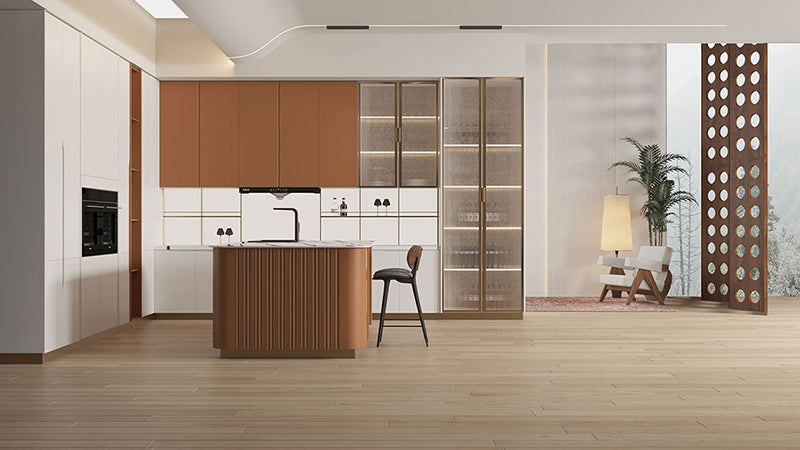
A modern kitchen budget typically includes several key components. Cabinets are often the largest expense, followed by countertops, appliances, and labor. Each component plays a critical role in both functionality and overall design.
- Cabinetry: The foundation of storage and visual structure.
- Countertops: Materials such as quartz, granite, or solid surfaces.
- Appliances: Built-in ovens, refrigerators, and smart devices.
- Labor: Installation, electrical work, and plumbing.
- Finishes: Lighting, hardware, and decorative elements.
Understanding how these elements contribute to the total cost helps homeowners allocate their budget more effectively.
Cabinet Costs Explained
Cabinets are central to any modern kitchen, both visually and functionally. Pricing varies based on materials, construction, and level of customization. Stock cabinets are the most affordable, while semi-custom and fully custom options increase in cost as flexibility and design complexity grow.
Material choice also impacts pricing. Solid wood cabinets are typically more expensive, while engineered materials such as MDF and plywood offer more budget-friendly alternatives. Finishes, hardware, and internal storage features further influence the final cost.
For those searching for "cabinets near me," comparing different options and understanding what is included in each quote is essential for making informed decisions.
Budget Ranges for Different Kitchen Levels
Modern kitchens can generally be categorized into three budget levels:
- Entry-level: Focused on functionality with standard materials and minimal customization.
- Mid-range: Balanced approach with upgraded finishes and some custom features.
- High-end: Fully customized designs with premium materials and integrated technology.
Each level offers different benefits, and the choice depends on priorities such as durability, aesthetics, and long-term value. Kitchen cabinet makers often recommend investing more in elements that are used daily, such as cabinets and hardware.
Material Choices and Their Impact on Budget
Material selection is one of the most significant factors affecting cost. Natural wood, stone countertops, and high-end finishes increase the budget but also enhance durability and visual appeal. Engineered materials provide cost-effective alternatives while maintaining a modern aesthetic.
Combining materials is a practical strategy. For example, using premium finishes on visible surfaces and more economical materials for less prominent areas helps control costs without compromising design quality.
Customization vs. Standard Solutions
Customization adds flexibility but also increases costs. Custom cabinets allow homeowners to optimize storage, fit unique layouts, and achieve a personalized look. However, not every element needs to be custom.
Semi-custom solutions offer a balance between affordability and personalization. By focusing customization on key areas—such as kitchen islands or pantry units—homeowners can achieve a high-impact design within budget.
Labor and Installation Costs
Installation is a critical part of the budget. Labor costs vary depending on project complexity, location, and the level of customization. Kitchens with intricate layouts or integrated appliances require more time and expertise, increasing installation expenses.
Professional installation ensures that cabinets are properly aligned and securely fitted, preventing issues that could lead to additional costs in the future.
Hidden Costs to Plan For
Many homeowners underestimate additional costs associated with kitchen renovations. These may include:
- Demolition and disposal of existing cabinets
- Electrical and plumbing upgrades
- Structural modifications
- Delivery and logistics fees
Including a contingency budget helps manage these unexpected expenses and ensures a smoother renovation process.

Smart Budgeting Strategies
Effective budgeting involves prioritizing value rather than simply minimizing cost. Kitchen cabinet makers often recommend focusing on durability, functionality, and long-term performance. Some practical strategies include:
- Invest in high-quality cabinets and hardware.
- Limit customization to areas with the greatest impact.
- Compare quotes from multiple suppliers.
- Choose materials that balance cost and durability.
- Plan purchases around promotions or seasonal discounts.
These strategies help homeowners achieve a modern kitchen that meets both design and financial goals.
Evaluating Local Options
Choosing the right supplier is essential for staying within budget. When searching for "cabinets near me," homeowners should consider factors such as experience, product quality, and customer service. Visiting showrooms and reviewing past projects can provide valuable insights.
Goldenhome — a global custom cabinetry manufacturer with over 27 years of experience — offers a comprehensive approach that combines design expertise with efficient manufacturing. This ensures that costs are aligned with quality and long-term value.
Balancing Cost with Long-Term Value
A modern kitchen is a long-term investment. While it may be tempting to reduce costs, focusing on quality ensures durability and reduces maintenance expenses over time. High-quality cabinets, for example, can significantly extend the lifespan of the kitchen.
Kitchen cabinet makers often emphasize lifecycle value, encouraging homeowners to consider not just initial costs but also long-term benefits.
Goldenhome Expertise
Goldenhome provides tailored solutions that align with different budget levels. Their experience allows homeowners to explore a range of options, ensuring that every project achieves a balance between cost, functionality, and design.
Final Thoughts
Budgeting for a modern kitchen requires careful planning and informed decision-making. By understanding cost components, evaluating materials, and prioritizing value, homeowners can create kitchens that are both beautiful and practical.
With the right approach and professional guidance, it is possible to achieve a modern kitchen that meets design expectations while staying within budget. Thoughtful planning ensures that your investment delivers lasting satisfaction and functionality.