Kitchen Cabinet Layout and Storage Zoning: Designing Drawers That Work With Daily Habits
Why Storage Zoning Is the Core of Kitchen Cabinet Layout
A well-designed kitchen cabinet layout is not defined by how many cabinets it includes, but by how intelligently storage is organized. Storage zoning aligns cabinet placement with daily tasks, reducing unnecessary movement and making the kitchen feel intuitive to use.
Without clear zoning, even large kitchens can feel inefficient and cluttered.

What Is Kitchen Storage Zoning?
Kitchen storage zoning divides the kitchen into functional areas based on tasks. Each zone contains cabinets and drawers that support specific activities.
- Prep zone: Food preparation, cutting, mixing
- Cooking zone: Stovetop, oven, cookware storage
- Cleaning zone: Sink, dishwasher, cleaning supplies
- Pantry zone: Dry goods, bulk items, small appliances
When cabinet layout respects these zones, workflow becomes smoother and more predictable.
Prep Zone: Drawer-First Cabinet Layout
The prep zone benefits most from drawer-based storage. Unlike deep cabinets, drawers allow full visibility and easy access.
- Shallow drawers for knives and utensils
- Medium drawers for bowls and prep tools
- Wide drawers for mixing equipment
Placing these drawers directly beneath prep counters minimizes unnecessary steps.
Cooking Zone: Supporting Heat and Weight
In the cooking zone, cabinet layout must account for heat exposure and heavy items.
- Deep drawers near cooktops for pots and pans
- Vertical storage for baking trays
- Heat-resistant materials near appliances
A drawer-focused approach reduces bending and improves safety.
Cleaning Zone: Compact and Logical Storage
The cleaning zone often occupies less space, yet requires careful planning.
- Under-sink cabinets for cleaning supplies
- Dishware storage near the dishwasher
- Pull-out trash and recycling units
Keeping these elements close together reduces back-and-forth movement.
Pantry Zone: Vertical Storage Efficiency
Pantry storage benefits from vertical cabinet layouts and adjustable shelving.
- Tall cabinets for dry goods
- Pull-out pantry systems for visibility
- Dedicated zones for small appliances
Well-planned pantry zoning prevents countertop clutter.
Drawer Layout vs. Traditional Base Cabinets
Modern kitchen cabinet layouts increasingly favor drawers over traditional base cabinets.
- Drawers offer better accessibility
- Reduce wasted vertical space
- Improve organization consistency
The shift toward drawer-centric layouts reflects a focus on usability rather than convention.

Adapting Storage Zoning to Household Size
Storage zoning should reflect how many people use the kitchen.
- Single-user kitchens prioritize compact zones
- Family kitchens require larger prep and pantry zones
- Multi-user kitchens benefit from duplicated storage areas
Flexible zoning improves long-term adaptability.
Custom Cabinet Layouts and Storage Coordination
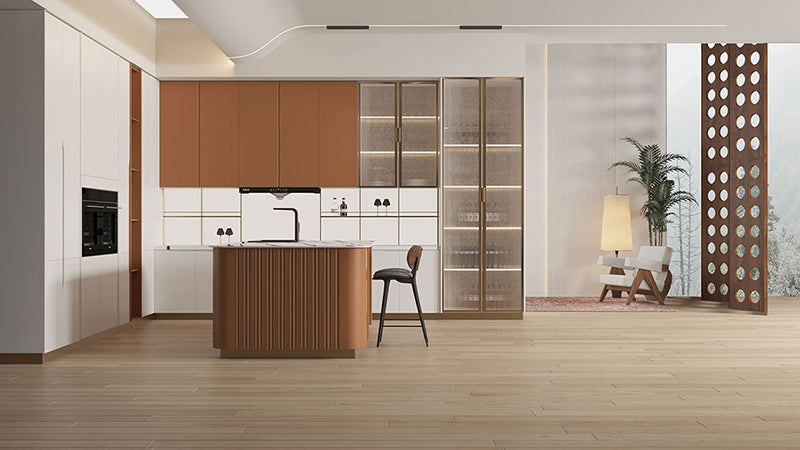
Custom cabinet layouts allow precise alignment between zones and storage types. This flexibility is especially useful in open kitchens and irregular spaces.
Some manufacturers, such as Goldenhome, design cabinet systems where drawer modules, cabinet widths, and storage accessories are coordinated early in the layout process. The benefit is consistency and ease of use—not added complexity.
Conclusion: Storage Planning Shapes the Kitchen Experience
A successful kitchen cabinet layout is built around how storage supports daily routines. By applying storage zoning and thoughtful drawer planning, kitchens become easier to use, easier to maintain, and more enjoyable over time.
Rather than adding more cabinets, focusing on smarter organization delivers the greatest improvement in functionality.