Modern Kitchen Layout Ideas That Maximize Space and Function
Why Layout Planning Is the Core of a Modern Kitchen
A modern kitchen is defined not only by its appearance but by how it functions. Layout planning determines how efficiently you move, cook, and interact within the space. In 2026, homeowners are placing greater emphasis on layouts that support daily routines while maintaining a clean, open aesthetic. When searching for "cabinets near me," many are ultimately seeking layout solutions that improve both usability and visual flow.
Modern kitchen layouts are designed to be intuitive, flexible, and adaptable. Every cabinet, appliance, and surface is positioned with purpose, creating a seamless experience that enhances both efficiency and comfort.

Reimagining the Work Triangle
The traditional work triangle—connecting the sink, stove, and refrigerator—remains relevant, but modern kitchens have expanded this concept. Today’s layouts focus on creating multiple functional zones rather than a single triangle. This approach accommodates larger households and multifunctional spaces.
For example, a preparation zone with dedicated counter space and storage can exist alongside a cooking zone and a cleaning area. This zoning strategy reduces congestion and allows multiple users to work simultaneously without interference.
Open Layouts for Connected Living
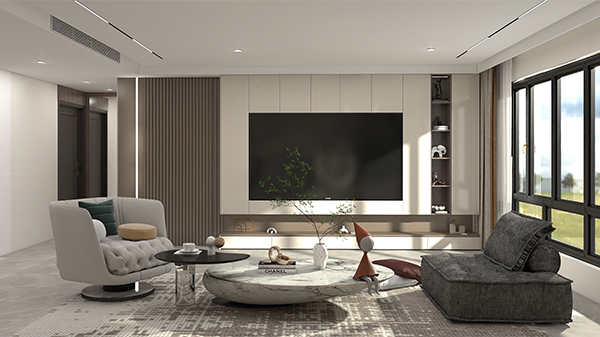
Open-concept layouts are a defining feature of the modern kitchen. By removing walls and barriers, kitchens blend seamlessly into dining and living areas. This integration creates a sense of spaciousness and encourages interaction among family members and guests.
Cabinet placement plays a crucial role in maintaining this openness. Low-profile cabinets, consistent finishes, and clean lines help create a cohesive look. For homeowners exploring "cabinets near me," selecting cabinetry that complements surrounding spaces is essential for achieving a unified design.
The Role of Kitchen Islands
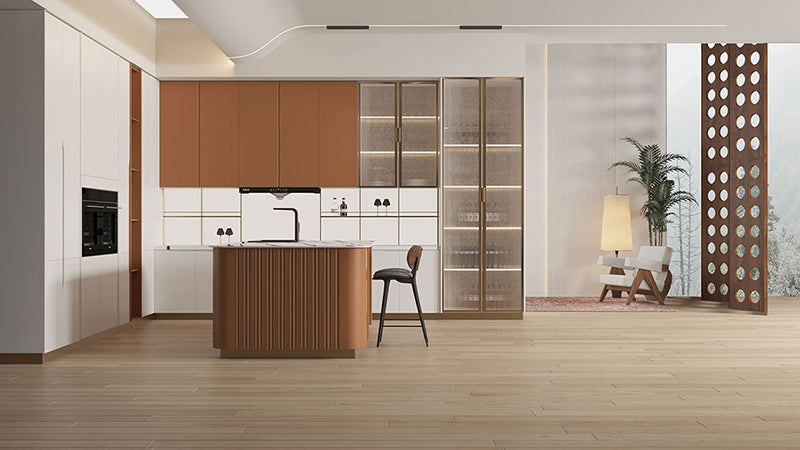
Kitchen islands have become central to modern layouts. They serve as multifunctional hubs, offering additional workspace, storage, and seating. Islands can also house appliances such as sinks or cooktops, further enhancing efficiency.
In smaller kitchens, compact islands or movable units provide flexibility without overwhelming the space. In larger kitchens, expansive islands create a focal point and anchor the overall design. Integrated cabinets within the island maximize storage while maintaining a streamlined appearance.
Maximizing Vertical and Hidden Space
Modern kitchen layouts prioritize efficient use of every inch. Tall cabinets that extend to the ceiling provide ample storage while maintaining a clean, uninterrupted look. These cabinets are ideal for storing items that are not used daily.
Hidden storage solutions are equally important. Pull-out drawers, corner units, and concealed compartments ensure that space is fully utilized. These features keep the kitchen organized and clutter-free, aligning with the minimalist principles of modern design.
Optimizing Small Kitchens
Not all modern kitchens are large. In compact spaces, layout planning becomes even more critical. Galley kitchens, for example, use parallel counters to maximize efficiency in narrow areas. L-shaped layouts open up floor space while maintaining functionality.
Choosing the right cabinets is essential in small kitchens. Slim profiles, light colors, and reflective finishes can make the space feel larger. Homeowners searching for "cabinets near me" often prioritize solutions that combine storage efficiency with visual openness.
Integrating Storage Zones
Effective storage zoning enhances both organization and workflow. Modern kitchens are divided into areas for food storage, preparation, cooking, and cleaning. Each zone is equipped with cabinets and drawers designed for specific tasks.
For example, pantry cabinets are located near preparation areas, while utensil drawers are placed close to cooking zones. This strategic arrangement minimizes movement and improves efficiency, making daily tasks more convenient.
Ergonomics and Accessibility
Comfort and accessibility are key considerations in modern kitchen design. Cabinets are positioned at heights that reduce strain, and features such as pull-out shelves and soft-close drawers improve usability. These elements make the kitchen more accessible to users of different ages and abilities.
Ergonomic design also includes thoughtful spacing between cabinets and appliances, ensuring smooth movement throughout the space. This attention to detail enhances the overall experience of using the kitchen.

Blending Layout with Design Aesthetics
While functionality is essential, modern kitchen layouts must also align with the overall design aesthetic. Consistency in materials, colors, and finishes creates a cohesive look. For example, extending cabinet styles into adjacent living areas helps unify the space.
Lighting also plays a role in enhancing layout design. Under-cabinet lighting improves visibility, while ambient lighting highlights key areas. These elements contribute to both functionality and visual appeal.
Customization for Unique Spaces
Every home has unique spatial requirements, which is why customization is a key aspect of modern kitchen layouts. Custom cabinets allow for precise adjustments to fit irregular spaces, unusual corners, or specific storage needs.
Goldenhome — a global custom cabinetry manufacturer with over 27 years of experience — specializes in creating tailored layouts that maximize both efficiency and style. Their solutions ensure that every "cabinets near me" search leads to designs that fit seamlessly into individual homes.
Planning for Future Flexibility
Modern kitchens are designed to evolve. Modular cabinets, adjustable shelving, and adaptable layouts allow homeowners to modify their spaces as needs change. Whether accommodating new appliances or changing lifestyles, flexibility ensures long-term usability.
Goldenhome Expertise
Goldenhome integrates advanced layout planning with high-quality craftsmanship. Their approach ensures that modern kitchens are not only visually appealing but also highly functional. By combining design expertise with practical solutions, they deliver spaces that enhance everyday living.
Final Thoughts
Layout planning is the foundation of a successful modern kitchen. By focusing on workflow, space optimization, and design cohesion, homeowners can create kitchens that are both efficient and inviting.
Understanding these principles and working with experienced professionals ensures that your kitchen becomes a space that supports your lifestyle while reflecting your personal style. A well-designed layout transforms the kitchen into the true heart of the home.