Design of Walk-In Wardrobe: Custom Storage Solutions for Ultimate Organization
Why Choose a Walk-In Wardrobe?
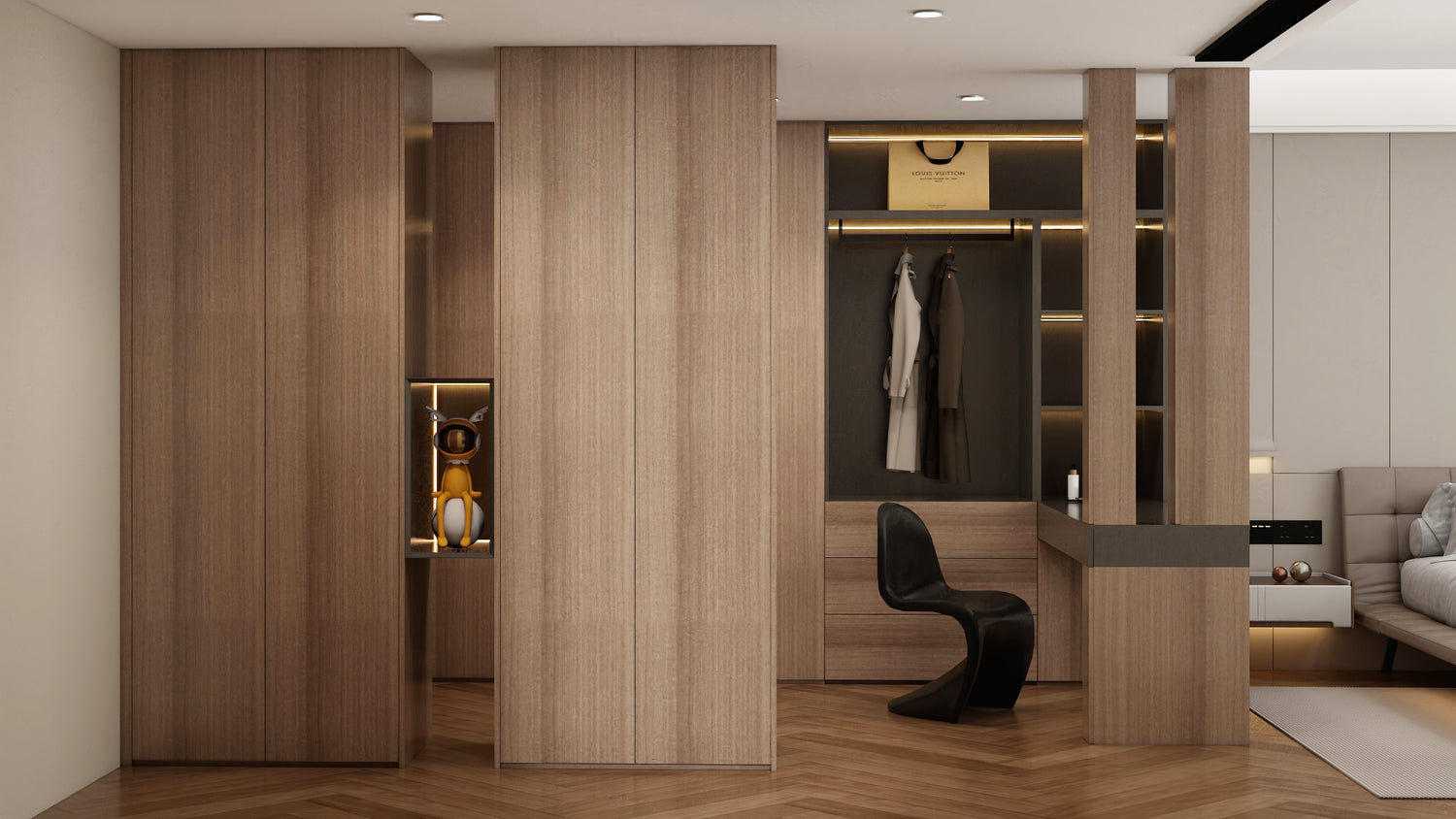
A walk-in wardrobe is not just a luxury addition to your home, but a practical solution for maximizing storage and organization. For those who value both functionality and aesthetics, designing a walk-in closet allows you to create a space where everything is neatly organized, easily accessible, and beautifully displayed.
From large bedrooms to more compact spaces, a walk-in wardrobe offers the opportunity to tailor the storage to your specific needs, ensuring that your clothing and accessories are stored in the most efficient way possible.

Key Considerations for Walk-In Wardrobe Design
When designing a walk-in wardrobe, the goal is to balance practicality with elegance. A well-thought-out wardrobe design can optimize your space while adding to the overall aesthetic of your room. Here are the key factors to consider:
- Space utilization: Even small rooms can benefit from walk-in wardrobes if they are designed thoughtfully. The layout should make the most of available space, ensuring that every corner is used efficiently.
- Storage needs: What do you need to store in your wardrobe? Tailor the design to your specific storage needs—whether it’s shelves for folded clothes, hanging rods for coats, or drawers for accessories and shoes.
- Lighting: Proper lighting is essential for any walk-in wardrobe. A well-lit wardrobe allows for easy browsing and helps you quickly find the items you need.
- Accessibility: Make sure everything is within reach. Adjustable shelves, pull-out racks, and drawers can make a walk-in wardrobe highly functional and convenient to use every day.
Walk-In Wardrobe Layout Ideas
The layout of your walk-in wardrobe will significantly impact its efficiency. Whether you have a small space or a larger room, there are several layout styles to choose from:
- Single wall layout: This is ideal for smaller spaces, where you can use one wall for hanging rods and shelves, with a space in the middle for access. It’s a compact yet highly functional design.
- U-shaped layout: A U-shaped wardrobe maximizes space by using three walls. This is a great layout for creating defined zones, such as areas for hanging clothes, shoes, and accessories.
- L-shaped layout: The L-shaped layout is perfect for corner spaces and offers a lot of flexibility, with two adjacent walls providing ample storage.
- Island layout: If you have a larger room, incorporating an island in the center of your walk-in wardrobe can provide additional storage and a luxurious feel. Islands are perfect for storing jewelry, shoes, or even displaying clothing.
Innovative Storage Solutions for Walk-In Wardrobes
Modern walk-in wardrobes go beyond the basic hanging rods and shelves. Today’s designs include innovative storage solutions that not only maximize space but also offer smarter organization. Here are some features you can incorporate into your walk-in wardrobe design:
- Pull-out racks: Pull-out racks are great for storing belts, ties, or scarves and can be integrated into your wardrobe’s design to save space and keep everything organized.
- Built-in shoe racks: Custom shoe racks can be tailored to fit your space and your shoe collection, ensuring your footwear is neatly arranged and easily accessible.
- Hidden compartments: Concealed compartments or secret drawers are great for storing valuable items, such as jewelry or small accessories, keeping them secure and out of sight.
- Adjustable shelving: Shelves that can be adjusted in height are essential for storing clothing of varying sizes. You can easily adapt the wardrobe as your storage needs change over time.
Material Choices for Walk-In Wardrobe Design
The materials you choose for your walk-in wardrobe will determine its durability, functionality, and aesthetic appeal. Here are some material options to consider:
- Wood: Solid wood or wood veneer is often chosen for its classic beauty and strength. It adds warmth to the space and works well in both traditional and contemporary designs.
- Glass: Glass-fronted cabinets or shelves create a modern, open look. Glass is ideal for showcasing clothing or accessories while keeping the space airy and light.
- Metal: For a more industrial or modern design, metal shelving and accents can be incorporated into the wardrobe, offering both strength and a sleek, contemporary look.
- MDF: Medium-density fiberboard (MDF) is an affordable material that can be painted to match your wardrobe design, giving you a high-end look without the cost of solid wood.

How to Organize Your Walk-In Wardrobe
Once you have your walk-in wardrobe designed and installed, the next step is organizing it effectively. A well-organized wardrobe not only looks good but makes getting dressed a seamless experience. Here are some tips for organizing your walk-in wardrobe:
- Group similar items: Keep similar items together, such as shirts, pants, and dresses, to make it easy to find what you need.
- Use baskets and bins: Baskets and bins are great for storing accessories, shoes, or bags. Keep everything neatly separated and easily accessible.
- Label shelves or drawers: If you share the wardrobe with others, labeling shelves or drawers can help maintain organization and ensure everyone knows where their items are stored.
- Keep frequently used items within reach: Items you wear often should be stored at eye level or within easy reach, while seasonal clothing or less frequently used items can be stored higher or lower in the wardrobe.
Conclusion: Create the Perfect Walk-In Wardrobe
A walk-in wardrobe is more than just a storage space—it’s a functional and stylish area of your home that can enhance your daily routine. By carefully considering your needs, your space, and your design preferences, you can create a wardrobe that is both practical and beautiful, adding value to your home and simplifying your daily life.
With the right design, materials, and organization solutions, a walk-in wardrobe can transform your space into a clutter-free sanctuary, making it a key feature in any modern home.