What Is Chinese Kitchen Design? A Modern Interpretation of Eastern Kitchen Aesthetics
As global interest in cultural design grows, chinese kitchen design has attracted increasing attention from homeowners, designers, and developers around the world. Far from being limited to traditional aesthetics, modern interpretations of Chinese kitchens reflect a sophisticated balance between cultural heritage, functionality, and contemporary living.
To understand chinese kitchen design today, it is essential to explore both its traditional foundations and how it has evolved to meet modern lifestyles.

Defining Chinese Kitchen Design
Chinese kitchen design is rooted in practicality, order, and respect for daily cooking habits. Unlike kitchens designed primarily for display, Chinese kitchens traditionally prioritize efficiency, cleanliness, and workflow.
Core principles include:
- Clear separation of cooking, preparation, and storage zones
- Strong emphasis on ventilation and cleanliness
- Layouts designed for frequent and intensive cooking
These principles continue to influence both traditional and modern Chinese kitchens.
Traditional Influences in Chinese Style Kitchens
A chinese style kitchen draws inspiration from traditional Chinese living philosophy, which values harmony, balance, and functionality.
- Symmetrical layouts that promote visual balance
- Use of natural or warm-toned materials
- Designs that support disciplined organization
Historically, Chinese kitchens were designed as highly practical spaces, often separated from living areas to manage heat, smoke, and noise.
The Evolution Toward Modern Chinese Kitchen Design
As lifestyles change, modern chinese kitchen design has evolved significantly. Urban living, smaller home sizes, and open-plan layouts have transformed how Chinese kitchens are conceived.
Modern adaptations include:
- Open or semi-open layouts connected to dining areas
- Integrated storage systems for efficiency
- Cleaner lines and simplified forms
These changes allow Chinese kitchen design to align with contemporary homes while preserving its functional DNA.
Functionality as the Core Design Driver
One defining characteristic of chinese kitchen design is its focus on real cooking behavior. Kitchens are designed for frequent use rather than occasional preparation.
- Durable materials that withstand heat and moisture
- Easy-to-clean surfaces
- Optimized storage for cooking tools and ingredients
This functional focus is increasingly appreciated by international homeowners who cook regularly.

Modern Chinese Kitchens and Minimal Aesthetics
While traditional Chinese kitchens favored separation and enclosure, modern Chinese kitchens often embrace minimalism.
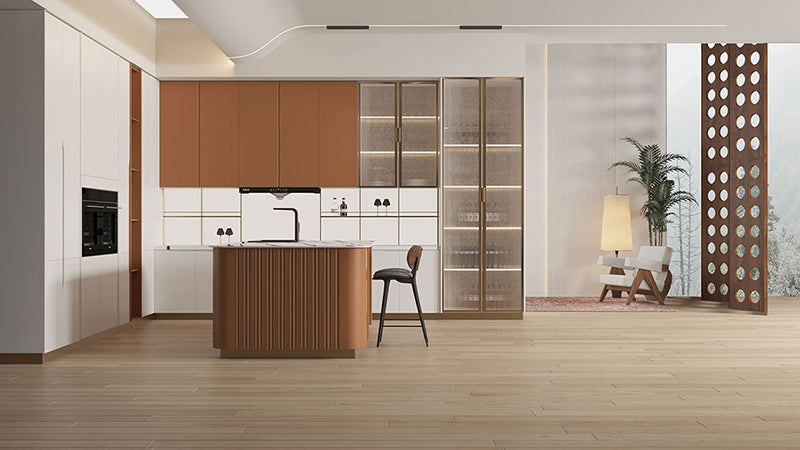
A modern chinese kitchen typically features:
- Clean cabinet lines with understated detailing
- Neutral or muted color palettes
- Design restraint that emphasizes calmness
This minimalist approach allows cultural elements to coexist naturally with modern interiors.
Custom Chinese Kitchen Design for Today’s Homes
Custom chinese kitchen solutions allow designers and homeowners to adapt traditional principles to contemporary spaces.
- Layouts tailored to cooking habits
- Cabinet systems designed for specific storage needs
- Flexible configurations for different home sizes
Customization ensures that Chinese kitchens remain practical without sacrificing aesthetic harmony.
Chinese Kitchen Design in Global Context
As more international homeowners explore cultural design influences, chinese kitchen design is increasingly viewed as a smart, functional alternative to purely Western layouts.
Its emphasis on efficiency, cleanliness, and order resonates across cultures, particularly in households where cooking plays a central role.
Goldenhome and Modern Chinese Kitchen Solutions
As a global custom home solutions provider, goldenhome integrates the principles of chinese kitchen design into modern cabinetry and kitchen systems.
By combining cultural understanding with contemporary manufacturing and customization capabilities, goldenhome supports Chinese kitchen solutions that meet both traditional expectations and modern living standards.
Conclusion: A Living Design Tradition
Chinese kitchen design is not a static tradition—it is a living design language that continues to evolve.
Through thoughtful integration of tradition, functionality, and modern aesthetics, modern chinese kitchen and custom chinese kitchen solutions offer kitchens that are both culturally meaningful and globally relevant.