How to Design Custom Cabinets That Meet Your Needs: Bespoke Solutions for Every Space
The Importance of Tailored Custom Cabinet Design
Custom cabinets are more than just functional storage—they are a reflection of your needs, lifestyle, and aesthetic preferences. When choosing a custom cabinet maker, the first step is to clearly define what you need from your cabinetry. From maximizing small spaces to creating a statement piece in your home, the design process should start with a focus on functionality and flow.
The beauty of custom cabinets lies in their ability to be tailored to fit both your practical needs and design tastes, ensuring that every inch of space is used efficiently and effectively.

Factors to Consider When Designing Custom Cabinets
When designing custom cabinets, it’s essential to keep your storage needs, space dimensions, and aesthetic goals in mind. Here are some key factors to consider during the design process:
- Space limitations: The size and shape of the room will influence the layout of the cabinets. Whether you have a small kitchen or a large walk-in wardrobe, custom cabinets can be designed to fit any space.
- Storage needs: Think about what you need to store. Do you need extra drawer space for utensils, shelves for books, or specialized compartments for shoes? Custom cabinets allow you to organize your space around your specific items.
- Access and flow: The way you interact with your cabinets is crucial. Ensure that doors open smoothly, drawers are easy to pull out, and shelves are accessible without cluttering the space.
- Style and finish: Choose materials and finishes that complement your room’s decor. Whether it’s wood, metal, glass, or a combination, your custom cabinets should enhance the overall look of the space.
Designing for Functionality: Custom Cabinet Layouts
Functionality is at the heart of every great custom cabinet design. It’s not just about fitting everything into the available space—it’s about making sure your cabinetry is tailored to fit how you use the space. The layout should maximize efficiency and minimize wasted space.
Here are some common layout ideas for different spaces:
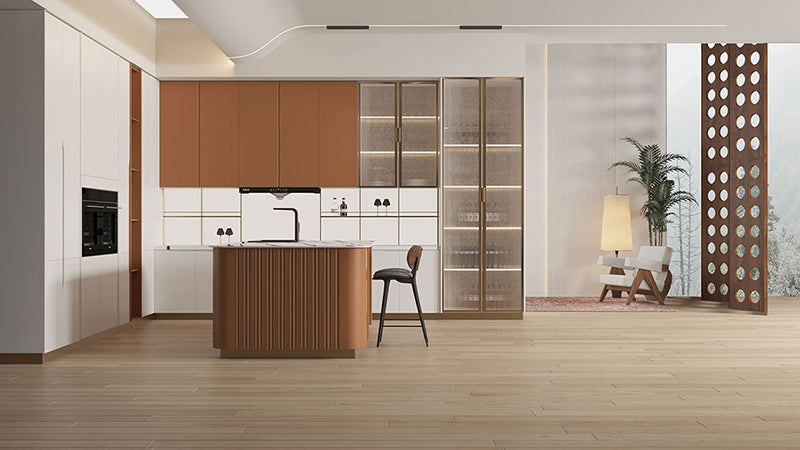
- Kitchen: In kitchens, the classic work triangle (between the sink, stove, and refrigerator) should be considered when designing cabinet layout. Pull-out pantries, spice racks, and under-cabinet drawers can make food prep and storage much easier.
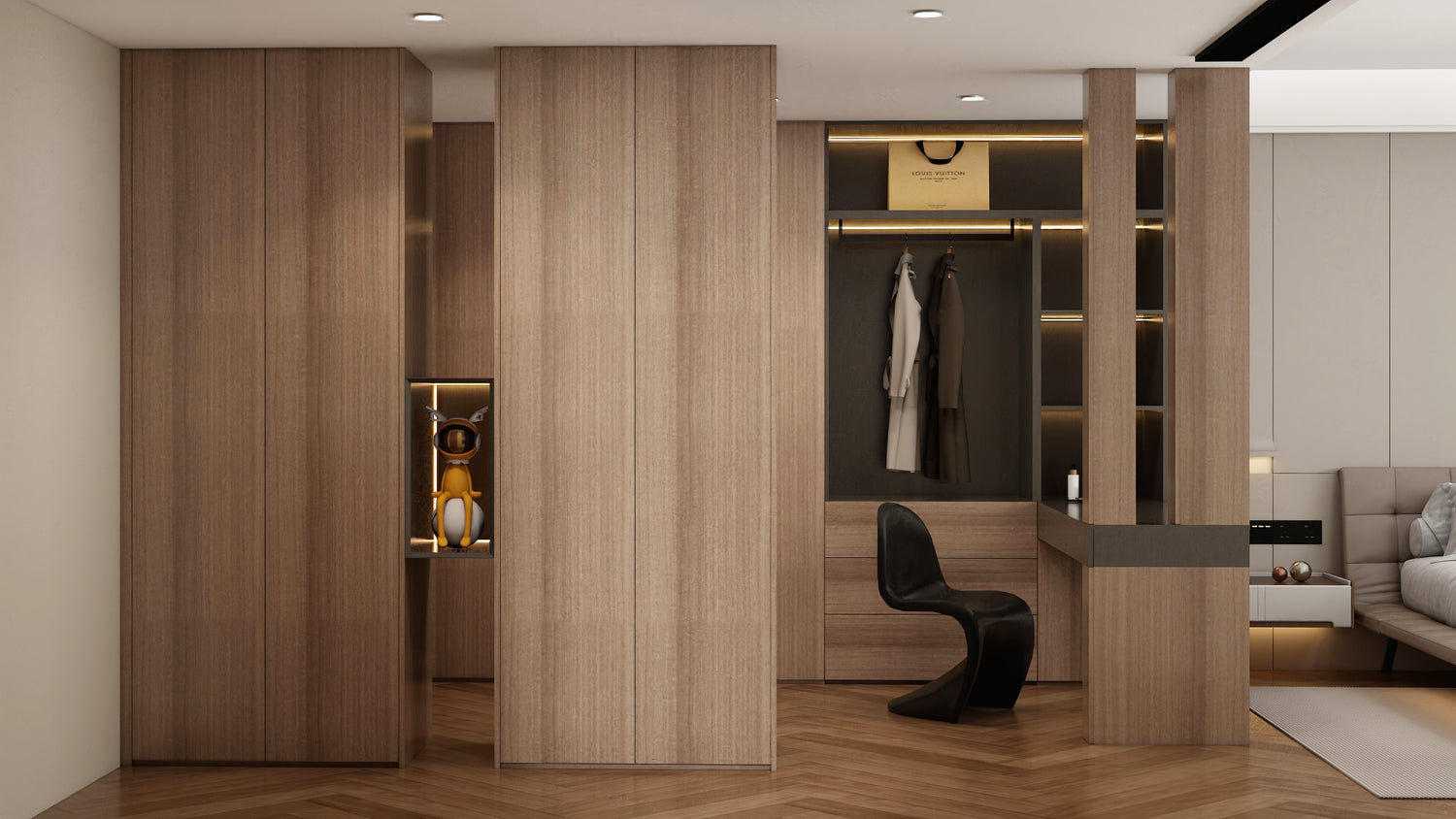
- Wardrobe: For wardrobes, consider the balance between hanging space and shelving. Custom drawers can be designed for smaller items, while pull-out racks are great for accessories or shoes.
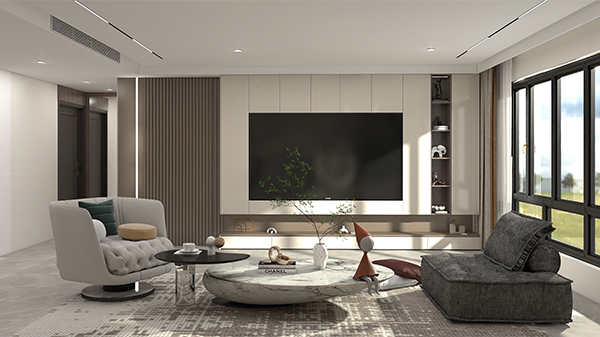
- Living room or office: In multifunctional spaces, cabinetry can be designed to serve multiple purposes, such as providing both storage and display space. Bookshelves, entertainment units, and closed cabinetry for electronics or office supplies are popular custom options.
Materials and Finishes for Custom Cabinet Design
Choosing the right materials and finishes is crucial to the success of your custom cabinets. The materials you select will affect both the functionality and appearance of your cabinetry. Here are some materials and finishes to consider:
- Solid wood: Solid wood cabinets are timeless and durable. They offer a natural, warm look and can be customized with different stains or finishes.
- Wood veneer: A more affordable alternative to solid wood, wood veneer provides the same elegant appearance and can be applied to plywood or MDF for a smooth, consistent finish.
- MDF: Medium-density fiberboard (MDF) is ideal for painted finishes and allows for precise detailing. It is often used in modern custom cabinet designs for a clean, sleek look.
- Metal: Metal is often used for hardware or as accents in custom cabinet designs. It provides a contemporary, industrial feel and is durable and easy to maintain.
- Glass: Glass-front doors or shelving can add a modern touch to your cabinets. Glass is perfect for displaying items or for creating a more open and airy feel in the room.
Custom Cabinets for Different Spaces and Needs
Every space requires a different approach when designing custom cabinets. Here’s how custom cabinets can be adapted to suit different rooms:
- Kitchen: In kitchens, custom cabinets can be designed to include pull-out shelves for pots, pans, and spices, deep drawers for utensils, and specialized compartments for cutting boards or bakeware.
- Bathroom: For bathrooms, custom cabinets can be designed to store towels, toiletries, and even laundry. Sliding doors or mirrored panels are also a popular option for bathroom cabinetry.
- Bedroom: In bedrooms, custom wardrobes or built-in closets can be tailored to your specific needs—whether it’s maximizing hanging space, creating shoe storage, or organizing accessories.
- Living room: Custom cabinets in the living room can be designed to house electronics, books, and decorative items, all while blending seamlessly with the room’s design.

The Role of a Professional Cabinet Maker in the Design Process
A skilled custom cabinet maker will work closely with you to ensure that the final design meets your needs. They will guide you through the material selection, layout planning, and finishing options, while also taking into account any technical considerations, such as weight-bearing capacities and ease of use.
Their expertise ensures that the cabinets are not only functional and aesthetically pleasing but also durable and well-built to last for years.
Conclusion: Achieving Your Perfect Custom Cabinet Design
Designing custom cabinets is an exciting opportunity to create a space that truly fits your lifestyle. Whether you are upgrading your kitchen, transforming your wardrobe, or designing storage for any other room in your home, custom cabinetry offers solutions that cater specifically to your needs. By working with an experienced cabinet maker, you can create functional, beautiful, and long-lasting cabinetry that will enhance your space for years to come.
The right custom cabinet design blends your practical needs with your aesthetic preferences, turning ordinary spaces into extraordinary ones.