Modern Kitchen Design Systems: Cabinets, Materials, and Scalable Production
Modern Kitchen Design as a System, Not Just a Style
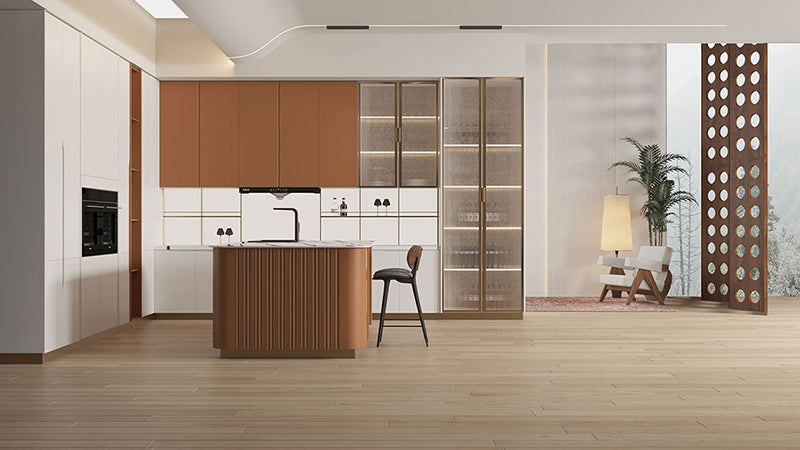
Modern kitchen design is often perceived as a visual style defined by clean lines and minimal details. In reality, it is a complete system built on standardized cabinet structures, optimized materials, and scalable manufacturing processes.
This system-based approach is what makes modern kitchen design especially attractive to renovation franchises, distributors, and agents seeking predictable quality and cost control.

The Role of Modern Kitchen Cabinets in System Design
Modern kitchen cabinets form the structural backbone of contemporary kitchen design. Their modular dimensions, standardized depths, and interchangeable components allow for efficient planning and production.
For homeowners, this results in well-proportioned kitchens. For businesses, it enables faster quoting, easier installation, and consistent outcomes across multiple projects.
Modular Cabinet Construction
Modular construction allows cabinets to be combined in various configurations without custom redesign for each project. This flexibility supports modern kitchen design across apartments, villas, and large renovation developments.
Standard modules also simplify logistics and inventory management for distributors.
Handle-less and Integrated Door Systems
Handle-less cabinet doors and integrated opening systems are defining features of modern kitchen cabinets. These solutions enhance visual continuity while reducing hardware complexity.
From a production perspective, integrated systems improve consistency and reduce installation errors.
Material Selection in Modern Kitchen Design
Materials play a critical role in balancing aesthetics, durability, and cost in modern kitchen design. Unlike traditional kitchens that rely heavily on solid wood, modern kitchens utilize advanced engineered materials.
Engineered Panels and Structural Stability
High-quality plywood, multi-layer boards, and moisture-resistant panels are widely used in modern kitchen design. These materials provide structural stability and reduce deformation caused by humidity and temperature changes.
For large-scale renovation projects, engineered panels offer predictable performance and lower defect rates.
Surface Finishes for High-Volume Applications
Popular finishes in modern kitchen design include matte laminate, melamine, lacquer, and advanced polymer surfaces. These finishes are selected for durability, color consistency, and ease of maintenance.
Anti-fingerprint and scratch-resistant surfaces are particularly valued in high-traffic residential projects.
Why Material Standardization Matters for Businesses
Standardized material systems allow renovation franchises and distributors to control costs without sacrificing visual quality. Fewer material variations simplify procurement and reduce waste.
This approach also shortens lead times, enabling faster project turnover and improved cash flow.

Contemporary Kitchen Design and Hardware Systems
Hardware selection significantly impacts the user experience of modern kitchen design. Soft-close hinges, concealed drawer systems, and adjustable runners improve functionality and perceived quality.
From a commercial standpoint, standardized hardware systems reduce training requirements and after-sales service issues.
Balancing Customization and Cost Control
Modern kitchen design achieves customization through configuration rather than reinvention. Cabinet sizes, internal accessories, and finishes can be adjusted while retaining a standardized framework.
This balance allows homeowners to personalize their kitchens while enabling businesses to maintain cost efficiency.
Modern Kitchen Design for Multi-Unit Projects
In apartment developments and renovation chains, modern kitchen design excels due to its repeatability. Standard cabinet systems ensure consistent quality across units while allowing minor variations for differentiation.
This repeatable model supports scalability without compromising brand image.
Quality Control Through Systemized Production
Systemized production ensures that modern kitchen cabinets meet consistent quality standards. Precision manufacturing, automated cutting, and standardized assembly reduce errors and improve reliability.
For distributors and franchise partners, this consistency builds trust with end customers and reduces operational risk.
Why System-Based Modern Kitchen Design Wins the Market
System-based modern kitchen design delivers measurable advantages in efficiency, reliability, and scalability. It aligns with the operational needs of renovation businesses and the expectations of modern homeowners.
This combination explains why contemporary kitchen design continues to dominate global kitchen markets.
Conclusion: Building Value Through Modern Kitchen Design Systems
Modern kitchen design succeeds because it is built on structured systems rather than isolated design choices. Cabinets, materials, and hardware work together to deliver consistent results.
For homeowners, this means durability and comfort. For agents, distributors, and renovation franchises, it means scalable growth and sustainable profitability.