Whole House Customization Trends 2026: Smart Integration and Modern Design Evolution
The residential interior industry is undergoing rapid transformation. Whole house customization is no longer limited to coordinated cabinetry—it now represents a comprehensive, technology-integrated living solution.
As homeowners demand greater efficiency, personalization, and intelligent control, emerging whole house customization trends 2026 are reshaping how homes are designed and delivered.

Trend 1: Smart Whole Home Customization
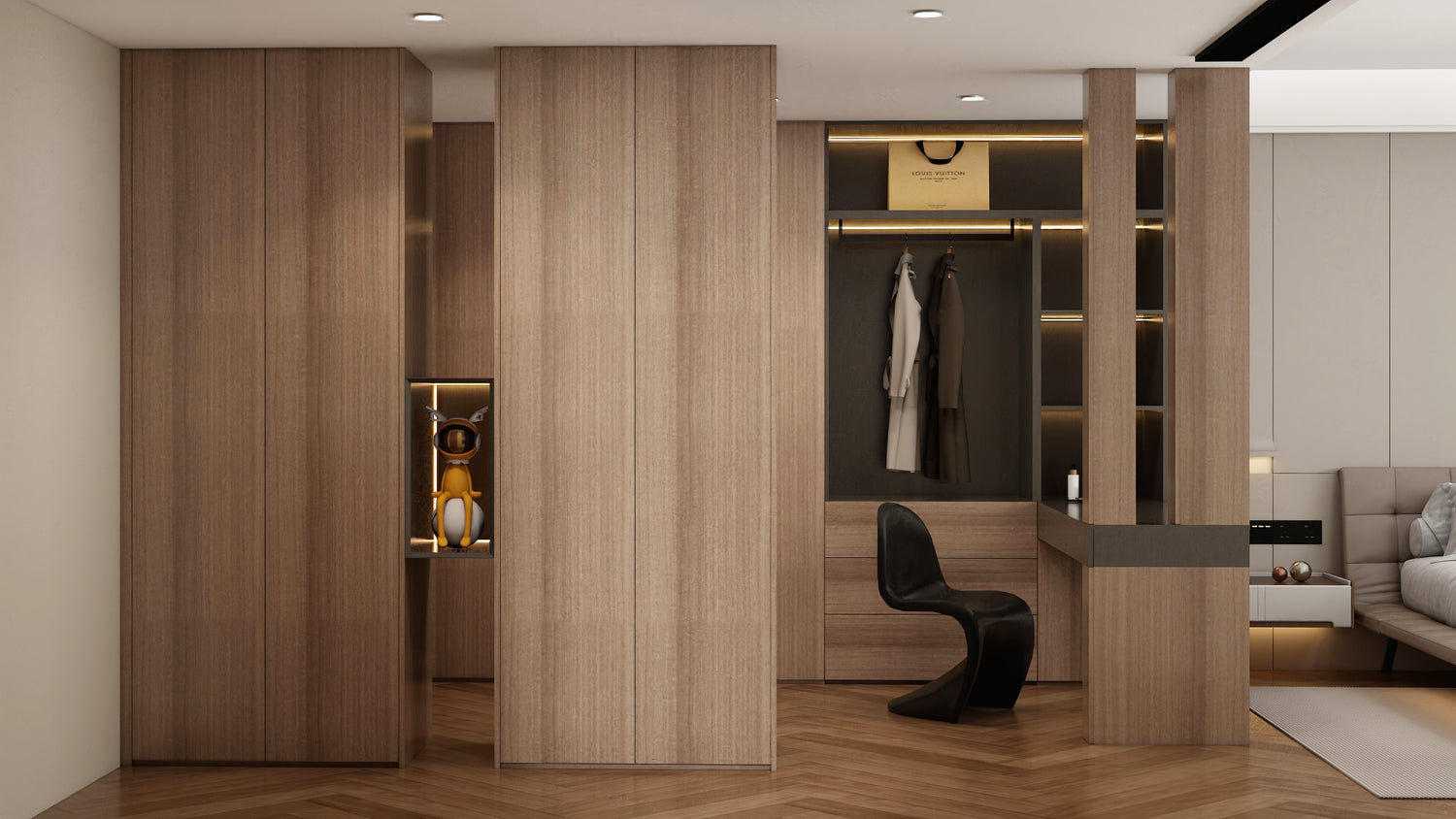
The integration of smart technology is redefining whole house customization. From automated lighting systems to sensor-controlled wardrobes, intelligent functionality enhances daily convenience.
- Smart storage lighting activation
- Integrated charging stations within cabinets
- Motorized wardrobe systems
- Voice-controlled interior lighting
Smart whole home customization bridges design aesthetics with advanced functionality.
Trend 2: Seamless Design Continuity
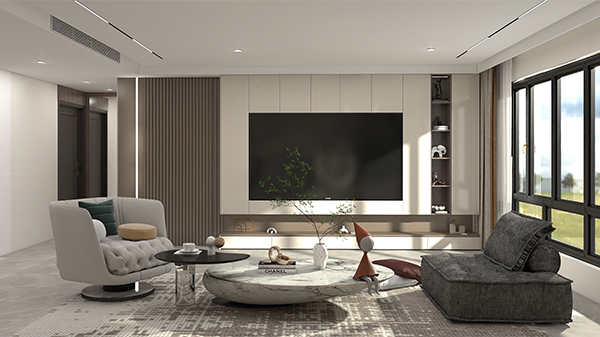
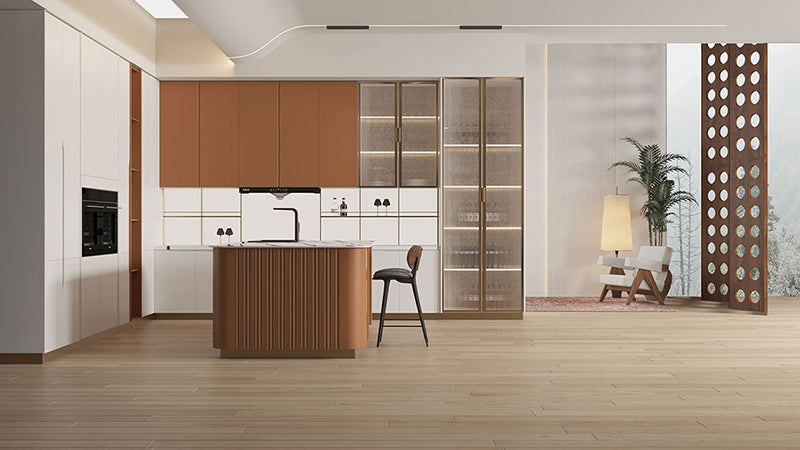
Modern homeowners expect visual harmony across all living spaces. A structured modern whole house design coordinates materials, finishes, and cabinetry systems throughout kitchens, bedrooms, and living areas.
This cohesive approach eliminates mismatched interiors and strengthens architectural identity.
Trend 3: Modular Flexibility
Flexibility has become central to whole house customization. Modular cabinetry systems allow future reconfiguration without structural modifications.
- Adjustable shelving systems
- Expandable wardrobe modules
- Multi-purpose storage units
- Convertible home office cabinetry
These innovations reflect evolving whole house customization trends 2026 focused on adaptability.
Trend 4: Sustainable Material Engineering
Environmental responsibility influences modern interior decisions. Sustainable panel materials, low-emission finishes, and durable hardware systems define contemporary whole house customization projects.
Eco-conscious modern whole house design solutions align with global sustainability standards while maintaining aesthetic excellence.
Trend 5: Digital Design-to-Production Systems
Advanced digital platforms now connect client design preferences directly to manufacturing lines. This integration reduces production errors and enhances installation accuracy.
Goldenhome leverages intelligent production technology to deliver scalable whole house customization solutions for both individual homeowners and large residential developments.
Trend 6: Open-Plan Living Integration
As open-concept layouts dominate modern architecture, whole house customization must ensure smooth transitions between kitchens, dining areas, and living halls.
Coordinated finishes and integrated cabinetry systems reinforce the unity of smart whole home customization environments.
Market Implications for Developers and Dealers
Adopting emerging whole house customization trends 2026 provides a competitive advantage in premium residential markets. Buyers increasingly prioritize integrated smart systems and cohesive design execution.
Developers who implement advanced modern whole house design solutions enhance property appeal and increase buyer confidence.

Long-Term Investment Perspective
Smart, integrated whole house customization systems improve functionality while reducing long-term maintenance complexity. Coordinated interiors increase property resale value and client satisfaction.
For distributors and franchise partners, offering intelligent smart whole home customization solutions opens new revenue streams in high-end residential segments.
Conclusion
Whole house customization in 2026 is defined by smart integration, modular flexibility, sustainability, and digital manufacturing innovation. As residential expectations continue to evolve, integrated interior systems will become the new industry standard.
Goldenhome remains committed to delivering forward-thinking modern whole house design solutions that empower homeowners, developers, and global partners to lead in the integrated living market.