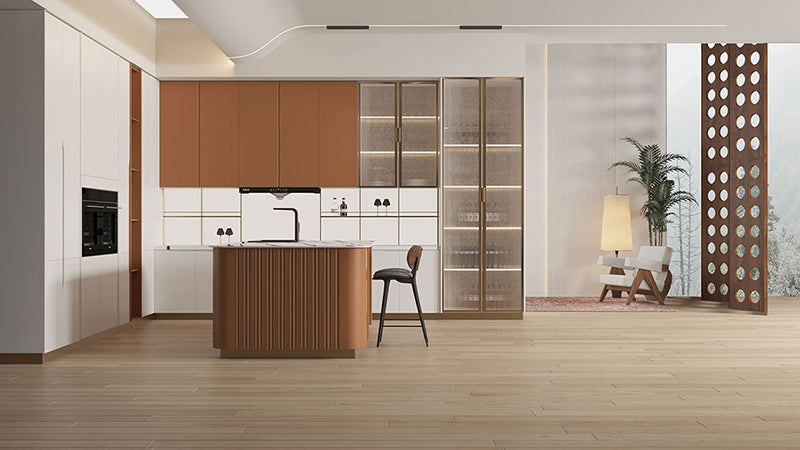
Kitchen Cabinets and Pantry Mistakes That Cost Space, Time, and Money
Why Storage Planning Mistakes Are So Common
Many kitchen renovation problems do not come from poor materials or bad workmanship, but from planning mistakes made early in the design process. Kitchen cabinets and pantry systems are often designed separately or treated as secondary elements, leading to inefficient storage and daily frustration.
Understanding the most common mistakes helps homeowners, designers, and professionals create kitchens that perform well long after installation.

Mistake 1: Treating Pantry Storage as an Afterthought
One of the most frequent errors is planning kitchen cabinets first and adding pantry storage only if space remains. This approach usually results in overcrowded cabinets and limited food storage.
Why This Causes Problems
Without a dedicated kitchen pantry cabinet or pantry zone, everyday items compete for space with bulk storage. This reduces accessibility and increases clutter.
Better Approach
Plan pantry storage at the same time as kitchen cabinets. Even compact kitchens benefit from a slim or tall pantry unit integrated into the layout.
Mistake 2: Overusing Wall Cabinets Instead of Pantry Solutions
Relying too heavily on wall cabinets to store food often leads to poor visibility and difficult access. Items placed at the back or top of wall cabinets are easily forgotten.
Why This Causes Problems
Wall cabinets are best suited for frequently used items, not bulk food storage. Overloading them disrupts workflow and makes kitchens feel visually heavy.
Better Approach
Use pantry storage solutions such as pull-out pantry cabinets or tall units to handle food storage more efficiently.
Mistake 3: Ignoring Kitchen Workflow When Placing the Pantry
A pantry placed too far from preparation areas creates unnecessary movement during cooking. This is a common issue in both small and large kitchens.
Why This Causes Problems
Poor pantry placement interrupts natural cooking flow and increases daily effort, especially during busy meal preparation.
Better Approach
Position pantry cabinets near prep zones, refrigerators, or kitchen islands to support efficient movement.
Mistake 4: Choosing Fixed Shelving Without Flexibility
Food packaging, appliances, and storage containers change over time. Fixed shelving limits adaptability and often leads to wasted space.
Why This Causes Problems
Shelves that cannot be adjusted force users to work around poor spacing rather than optimize storage.
Better Approach
Select pantry storage solutions with adjustable shelves or drawer-based systems that can evolve with changing needs.
Mistake 5: Poor Visibility Inside Pantry Cabinets
Deep shelves without proper organization make it easy for items to be forgotten or expire unnoticed.
Why This Causes Problems
Limited visibility leads to overbuying, waste, and inefficient kitchen routines.
Better Approach
Incorporate pull-out drawers, baskets, or internal organizers to improve visibility and access.

Mistake 6: Inconsistent Design Between Cabinets and Pantry
Using different styles or finishes for kitchen cabinets and pantry units can disrupt visual harmony and make the kitchen feel fragmented.
Why This Causes Problems
A mismatched pantry often appears like an afterthought rather than an integrated design feature.
Better Approach
Coordinate door styles, materials, and finishes so pantry cabinets blend seamlessly with the main kitchen cabinetry.
Mistake 7: Underestimating Long-Term Storage Needs
Kitchens must serve users for many years. Planning only for current needs often results in insufficient storage as lifestyles change.
Why This Causes Problems
Growing families, new appliances, and changing cooking habits quickly outgrow poorly planned storage.
Better Approach
Design kitchen cabinets and pantry systems with future flexibility in mind, allowing for easy reconfiguration.
Why Professional Planning Makes a Difference
Avoiding these mistakes requires a holistic view of kitchen design. Professionals increasingly emphasize integrated cabinet and pantry planning to ensure long-term performance.
Manufacturers offering coordinated systems, such as Goldenhome, help designers and dealers deliver consistent results by aligning kitchen cabinets and pantry solutions within a single framework.
Smart Planning Prevents Costly Regret
Most kitchen storage mistakes are preventable with thoughtful planning and the right pantry solutions. By addressing layout, visibility, flexibility, and design consistency early, kitchens become easier to use and more enjoyable over time.
Well-designed kitchen cabinets and pantry systems protect both investment value and daily comfort.