Custom Kitchens vs Modular Kitchens: Which One Truly Fits Your Home?
Why the Difference Between Custom and Modular Kitchens Matters
When planning a new kitchen, many homeowners encounter two popular options: custom kitchens and modular kitchens. While both can look appealing in showrooms, their real differences become clear only after daily use begins.
Understanding how these two approaches differ helps avoid compromises that may affect comfort, storage efficiency, and long-term satisfaction.

What Is a Modular Kitchen?
Modular kitchens are built using standardized cabinet units produced in fixed sizes. These modules are combined to form a complete kitchen layout, offering convenience and relatively fast installation.
Main Characteristics of Modular Kitchens
- Predefined cabinet dimensions
- Limited layout flexibility
- Shorter production and installation timelines
Modular kitchens are often chosen for their simplicity and predictability.
What Defines Custom Kitchens?
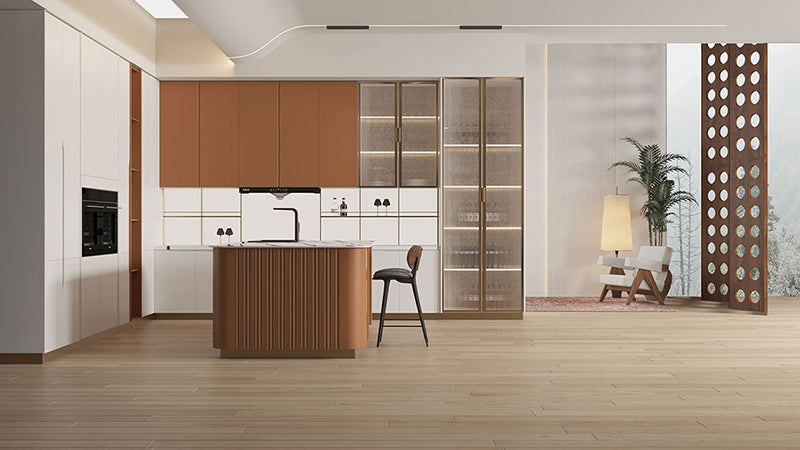
Custom kitchens are designed specifically for a given space and user. Every cabinet, drawer, and storage feature is tailored to fit the room’s dimensions and the household’s habits.
Key Features of Custom Kitchen Design
- Precise sizing with minimal wasted space
- Flexible layouts based on workflow
- Storage solutions designed around actual needs
Rather than adapting to standard modules, the kitchen adapts to the home.
Design Flexibility: A Major Difference
One of the clearest differences between custom kitchens and modular kitchens lies in design flexibility.
Modular Kitchen Limitations
Because modular kitchens rely on fixed units, awkward corners, ceiling height variations, and non-standard wall lengths often require fillers or compromises.
Advantages of Custom Kitchens
Custom kitchens allow cabinet widths, heights, and depths to be adjusted freely. This results in cleaner lines, better alignment, and a more cohesive design.
Storage Efficiency and Daily Usability
Storage performance often determines how satisfied homeowners feel months after installation.
Storage in Modular Kitchens
Standard internal layouts may not suit all households. Shelves and drawers are designed for general use rather than specific lifestyles.
Storage in Custom Kitchens
Custom kitchens are planned around what needs to be stored. Drawer depths, pantry layouts, and internal accessories are selected intentionally to support daily routines.
Material and Finish Options
Both modular and custom kitchens offer a range of finishes, but the level of choice differs.
Modular Kitchen Materials
Material options are typically limited to a predefined selection chosen for mass production.
Custom Kitchen Materials
Custom kitchens offer greater freedom in combining materials, textures, and finishes to balance aesthetics, durability, and maintenance requirements.
Cost Considerations Beyond the Initial Price
Modular kitchens often appear more affordable at first due to standardized production. However, long-term value should also be considered.
Custom kitchens may require a higher upfront investment, but they often reduce the need for future modifications and make better use of space.
Installation and Project Timeline
Modular kitchens generally have shorter lead times, making them suitable for projects with tight schedules.
Custom kitchens require more planning and production time but provide greater control over the final outcome.
Which Option Is Better for Different Homes?
Apartments and Rental Properties
Modular kitchens may be sufficient where budget and speed are priorities and long-term personalization is less critical.
Long-Term Homes and Unique Spaces
Custom kitchens are better suited for homeowners planning to stay long-term or dealing with irregular layouts and specific storage needs.

The Importance of Manufacturing Quality
Regardless of kitchen type, manufacturing quality plays a crucial role in durability and performance. Precision production ensures doors align properly and storage systems function smoothly.
Kitchen systems offered by manufacturers such as goldenhome combine customization flexibility with controlled production standards to support reliable outcomes.
Choosing Based on How You Live
The choice between custom kitchens and modular kitchens should be guided by lifestyle, space, and long-term expectations rather than appearance alone.
By understanding the true differences, homeowners can select a kitchen solution that remains comfortable and functional for years to come.